
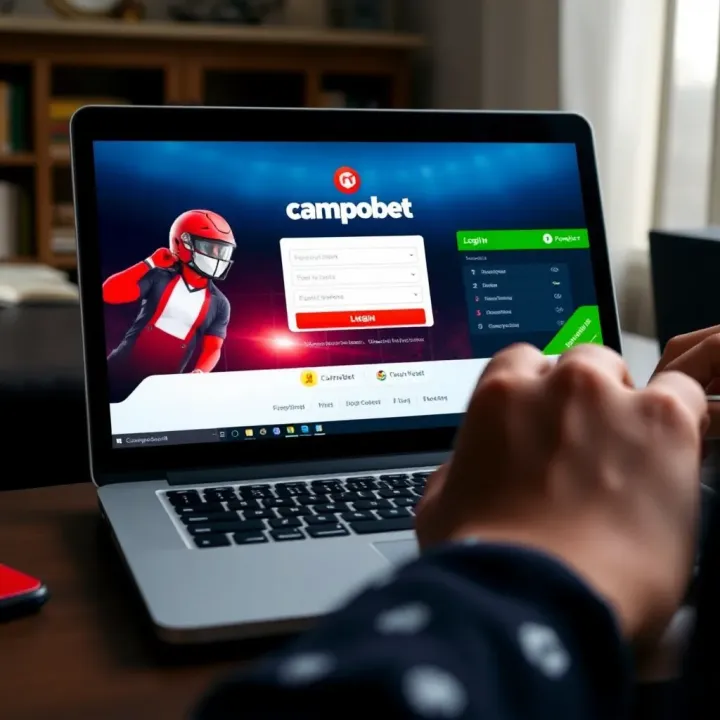
How to Sign In to Campobet in Nigeria
Learn how to sign in to Campobet securely 🇳🇬, fix common login problems, protect your account 🔐, and access on mobile for smooth betting fun 🎲👌. Start winning today!
Edited By
Jack Thompson
Gambling in Nigeria occupies a complex legal space where certain forms are allowed under strict regulation while others remain prohibited. This confusion stems largely from a mix of federal and state laws, alongside the evolving nature of gambling technology and online platforms.
At its core, gambling legality hinges on the Gambling Act 1955 and the National Lottery Act of 2005, which set the groundwork for licensed betting and lottery activities. The National Lottery Regulatory Commission (NLRC) oversees lotteries, while individual states enact their own laws on betting shops and casinos. For example, Lagos State has detailed laws governing sports betting outlets, ensuring operators hold valid licences.

Understanding what types of gambling are legal is crucial. Here are the major categories allowed under Nigerian law:
Sports betting and bookmaking: Licensed operators like Bet9ja and NairaBet run legally with CBN greenlights and NDLC approvals.
National lotteries: Regulated by the NLRC.
Casino gaming: Permitted only in specific states with licences.
Online gambling: Growing but requires strict adherence to licensing rules to avoid illicit status.
Operators caught running illegal lotteries, unlicensed sports betting, or offshore gambling operations risk heavy fines and possible arrest.
Licensing involves applying through the relevant state or federal agency, meeting financial and operational criteria, and demonstrating compliance with anti-money laundering rules. For example, a thriving Lagos-based sportsbook must submit periodic reports to the National Lottery Commission to maintain its licence.
The risks are real for gamblers and operators alike. Engaging with unlicensed platforms can lead to loss of funds with little legal recourse, while businesses face regulatory shutdowns or penalties. Players are advised to check licences before committing their money.
In summary, Nigerian gambling is legal but tightly controlled. Knowing the law helps avoid hassle and protects your wallet, especially as the industry grows alongside fintech platforms like Paystack and Flutterwave.
Next, we will break down the key legal bodies overseeing gambling in Nigeria and how they shape what’s allowed.
Understanding the gambling laws in Nigeria is key for anyone involved in betting or gaming activities, whether as a player, operator, or regulator. The legal framework shapes what types of gambling are allowed, how licences are granted, and the penalties for illegal operations. Grasping these laws prevents legal troubles and financial losses, especially as gambling grows in popularity with the rise of online platforms like Bet9ja and SportyBet.
Gambling regulation in Nigeria dates back several decades, initially focused on controlling lottery and traditional betting games. Early laws were designed to protect the public from fraud and excessive risk, reflecting societal concerns about morals and economic impacts. Over time, the approach evolved with the growth of betting shops and later digital betting, prompting new legislation to address modern gambling formats.
The Lottery Act provides the fundamental legal basis for lottery activities in Nigeria. It defines permissible games and sets out rules for ticket sales, prize allocations, and advertising standards. For example, state governments or licensed operators conduct national and state lotteries under this act, ensuring transparency and consumer confidence.
This law is practical in curbing unlicensed lottery operations that often scam participants. It requires that any lottery operation obtains a valid licence and conducts its activities within the legal boundaries. Popular state lotteries such as the Lagos State Lottery operate under this framework.
The Nigerian Criminal Code and Penal Code address offences related to illegal gambling, including unlicensed betting and fraudulent schemes. These laws vary slightly across Northern and Southern Nigeria but primarily criminalise gambling activities without proper authorisation. For instance, organising or facilitating betting games outside the law can attract fines or imprisonment.
For bettors and operators, this means engaging only with approved gambling companies prevents exposure to criminal sanctions. Cases where illegal betting dens are padlocked often involve violations under these codes. Law enforcement agencies rely on these statutes to combat underground gambling activities.
This act established the National Lottery Regulatory Commission (NLRC), the body responsible for overseeing lottery and certain gaming activities nationwide. The NLRC grants licences, monitors compliance, and ensures operators follow set guidelines.
The practical relevance lies in how the commission maintains industry standards and protects consumers. For example, if a betting company advertises deceptive odds or delays prize payments, the NLRC can intervene. Its role also extends to promoting responsible gambling and curbing underage participation.
Gambling regulation in Nigeria involves both federal and state governments. The federal framework sets overarching rules, but states have powers to enact additional laws or issue licences within their territories. This dual system means gambling laws can vary, with some states being more stringent.
For instance, Lagos State has its own gambling laws and regulatory bodies that work alongside federal authorities. Meanwhile, other states may restrict certain gambling forms altogether. Players and operators must stay aware of both federal and local regulations to remain compliant.
Knowing these layered laws and who enforces them helps avoid running foul of the law and suffering fines, licence revocation, or worse.
Understanding the overview of gambling laws in Nigeria lays the foundation for exploring which games you can legally play or operate, and highlights the importance of dealing with licensed entities only.
Understanding the types of gambling allowed and those restricted in Nigeria is essential for anyone involved in the industry or considering participation. This knowledge helps avoid legal pitfalls and ensures compliance with the rules set by regulatory authorities. Given the varied nature of gambling operations across Nigeria, knowing what is permitted offers practical benefits such as safely engaging in betting activities or investing in licensed gambling businesses.

The National Lottery stands as one of the few gambling activities expressly permitted across Nigeria by federal law. Managed by licensed operators under the supervision of the National Lottery Regulatory Commission, it offers various games of chance that are popular nationwide. For instance, well-known lottery products operate through authorised agents where participants buy tickets hoping to win cash prizes.
These lotteries contribute to government revenues and are often used to fund social projects. Engaging in the National Lottery provides players with a legal platform to participate in gambling without fear of contravening the law.
Sports betting has grabbed wide attention in Nigeria, thanks to the proliferation of betting shops and online platforms. Legal sports betting companies hold licences and offer markets on football, basketball, and other popular sports events both local and international. For example, firms like Bet9ja and NairaBet are licensed and widely trusted.
The Nigerian government regulates this sector, requiring operators to ensure responsible gambling and fair play. This legal framework gives bettors confidence that their wagers are secured and that operators abide by taxation and compliance measures.
Casinos in Nigeria operate under strict licensing conditions. Though fewer in number compared to lotteries and sports betting, licensed casinos offer games such as poker, blackjack, and roulette at physical venues, primarily in major cities like Lagos and Abuja.
Having the appropriate licence means these casinos meet standards concerning security, fairness, and customer protection. Players using licensed casinos avoid illegal operations and can address grievances through recognised regulatory channels.
Illegal betting refers to gambling ventures that operate without the necessary licences, often outside regulatory oversight. Such operations may include underground betting shops or unregistered pools, sometimes run clandestinely in informal settings.
Participation in these illegal betting operations exposes gamblers to significant risks, from fraudulent schemes to lack of recourse if disputes arise. The government routinely cracks down on such setups to protect consumers and uphold the legal gambling market.
With internet penetration rising, online gambling has surged in Nigeria. Nonetheless, many websites operate without the official sanction of the National Lottery Regulatory Commission. Playing on unlicensed online platforms carries dangers such as possible scams, data breaches, and unfair game terms.
Nigerian authorities warn users to check licences before committing funds to online games or sports betting. Legitimate operators display their licence details transparently, whereas unlicensed sites often hide ownership or regulatory info.
Certain games remain outright banned or unregulated under Nigerian law. These may include traditional dice games, underground lotteries not recognised by the state, or newly emerging gambling forms lacking legal frameworks.
Engaging in these prohibited games can lead to legal penalties for both operators and participants. It is advisable to steer clear and opt for options clearly approved by Nigerian law to avoid fines or prosecution.
Knowing what types of gambling are lawful and which are forbidden offers practical guidance to stay within legal boundaries, protect your money, and maintain trust in the betting ecosystem.
Navigating Nigeria's gambling landscape requires awareness of permitted activities and vigilance against illegal practices to ensure a safe, enjoyable experience.
Understanding regulatory bodies and licensing procedures is vital when discussing gambling legality in Nigeria. Without proper regulation, gambling activities can quickly spiral into illegal or unregulated operations, exposing players and businesses to risks like fraud and heavy penalties. Licensing ensures that gambling operators meet set standards, maintain transparency, and protect consumers. This framework gives players confidence, protects governmental revenue, and curbs criminal exploits.
The National Lottery Regulatory Commission (NLRC) is the primary federal agency overseeing lottery and gambling licences nationwide. Established to regulate and supervise lottery activities, the NLRC ensures that operators follow laws like the National Lottery Regulatory Commission Act. It grants licences, monitors compliance, and investigates complaints or suspicious activities. For example, if a sports betting company wants to operate legally across several states, it must obtain approval from the NLRC before opening shop.
Applying for a gambling licence in Nigeria involves a detailed submission of documents. Operators must provide proof of business registration with the Corporate Affairs Commission (CAC), a clear business plan, details of their financial backing, and evidence of good character or integrity of key personnel. This helps the NLRC assess whether the applicant can run a legitimate, financially stable gambling business. Practical relevance lies in filtering out fly-by-night operators who might otherwise scam unsuspecting players.
Besides documentation, the NLRC evaluates an applicant's operational capacity, including IT infrastructure to support online betting platforms, security measures for player data, and adherence to responsible gambling practices. For example, an applicant must demonstrate how they will prevent underage gambling or problem gambling. Approval is also influenced by compliance with tax obligations and adherence to anti-money laundering regulations.
Licence fees vary depending on the type and scale of gambling operations but typically run from several hundred thousand to millions of naira. Licences are issued for a fixed term, usually one to three years, before renewal is necessary. This system ensures operators remain accountable and compliant over time. For instance, failure to renew on time can lead to suspension or cancellation, barring operators from continuing legally.
Nigeria's law imposes fines, seizure of equipment, and possible imprisonment for engaging in or facilitating unlicensed gambling activities. For example, operators caught running illegal betting shops can face fines upward of ₦1 million or jail terms. These penalties deter unlawful activities, protect consumers, and maintain the integrity of the gambling sector.
The NLRC and other agencies carry out regular inspections, both announced and surprise, to check that licence holders comply with operational standards. Monitoring includes auditing financial records, verifying fair play, and ensuring advertisements meet legal guidelines. In Lagos, for example, repeated spot checks on popular betting outlets help weed out offenders who might tamper with machines or violate rules.
Licensing procedures require operators to implement consumer protection measures. These include fair terms and conditions, transparent payout policies, and mechanisms for dispute resolution. Consumers can report malpractice to the NLRC, which investigates and sanctions offenders. Such protection gives gamblers confidence to participate without fear of fraud or unfair treatment.
A well-regulated gambling environment benefits all: operators gain legitimacy, consumers enjoy protection, and the government secures revenue from a properly taxed sector.
Together, these regulatory frameworks create a clearer path for legal gambling in Nigeria, ensuring the industry grows in a structured, safe, and transparent manner.
Gambling in Nigeria comes with risks that affect individuals and society. Understanding these concerns helps bettors, regulators, and businesses navigate the industry responsibly. These risks include addiction, fraud, and wider economic impacts that often go unnoticed but deeply influence communities.
Problem gambling is a serious issue in Nigeria, often overlooked amid the excitement of betting. Some Nigerians get caught up in chasing quick money, leading to addiction. This can wreck personal finances, cause family strife, and even lead to mental health challenges. For example, a Lagos sports bettor might start with small stakes but soon increase his bets beyond means, resulting in mounting debts and loss of livelihood. Efforts by Lagos state NGOs to provide counselling show the growing demand for support services. Recognising addictive behaviour early and seeking help is vital to minimise harm.
Fraudulent betting sites and illegal operators pose significant dangers to Nigerian gamblers. Many online platforms claim to offer legitimate betting but run scams, stealing players’ funds or personal data. An instance involves some unlicensed websites vanishing after collecting deposits, leaving users with no recourse. Additionally, illegal bookmakers evade taxes and regulatory oversight, creating unfair competition for licensed businesses. The National Lottery Regulatory Commission (NLRC) continuously warns the public against unlicensed operators, but enforcement can be patchy. Checking licences and reviews before engaging with any operator can protect against fraud.
Gambling presents a mixed bag economically and socially in Nigeria. While it can generate government revenue through licensed operations and create jobs, unchecked gambling leads to social problems. Excessive gambling worsens poverty levels in vulnerable groups when savings are lost to addiction. Families sometimes suffer from neglect and financial stress. On the other hand, government crackdowns on illegal gambling redirect funds back to the economy and improve consumer confidence. For example, Lagos state’s recent campaigns helped close down dodgy gambling dens impacting local communities.
Awareness of these risks allows Nigerians to enjoy gambling safely while understanding the consequences of overindulgence or poor choices. Informed bettors protect themselves and their communities by sticking to licensed operators and practising moderation.
By keeping these concerns in view, Nigerian players and stakeholders can foster a healthier gambling environment that benefits both individuals and the wider economy.
Navigating the gambling landscape in Nigeria demands practical knowledge to steer clear of legal pitfalls and financial loss. This section provides key guidance for Nigerians keen on gambling, focusing on recognising licensed operators, adopting safe habits, and reporting suspicious activities. With many unregulated platforms sprouting online, understanding these elements ensures your gambling experience remains legitimate and secure.
Start by verifying if a gambling operator holds a valid licence from the National Lottery Regulatory Commission (NLRC). Licensed operators typically display their licence number clearly on their website or business premises. For instance, reputable sports betting platforms like Bet9ja and NairaBet showcase their NLRC approval upfront. You can cross-check licence status through official NLRC announcements or trusted industry sources. Beware of platforms offering unrealistically high returns or requesting excessive personal information without proper certification.
To protect yourself, always gamble within your financial limits—set a budget before betting and avoid chasing losses. Use official payment channels like known banks or trusted fintech platforms such as Paystack or Flutterwave to prevent fraud. Nigerians often fall prey to scams when transacting via informal methods. Additionally, avoid sharing sensitive details like your Bank Verification Number (BVN) or passwords on unverified sites. Practising responsible gambling also means recognising warning signs of addiction and seeking support, perhaps through local organisations or counselling services.
If you suspect any illegal gambling operations—unlicensed betting shops or dubious online sites—report promptly to the National Lottery Regulatory Commission or local law enforcement. Providing clear details such as location, operator names, and suspicious behaviours will aid enforcement. For example, during the ember months, when gambling spikes, authorities intensify crackdowns on illegal operations, so your reports can make a real difference. Reporting not only curbs illegal activity but also protects others from potential financial or legal harm.
Staying informed and cautious is your best defence in Nigeria's complex gambling market. Following these practical tips helps you enjoy betting responsibly while complying with the law.
Taking a practical approach benefits not just individual bettors but also strengthens Nigeria’s regulatory ecosystem for gambling. Whether you’re a tech-savvy young adult testing virtual platforms or a market analyst tracking gambling trends, knowing how to identify licensed operators, gamble safely, and report abuse is essential. Keep these tips close to avoid trouble and make the most of your gambling experience within Nigeria’s legal framework.
Learn how to sign in to Campobet securely 🇳🇬, fix common login problems, protect your account 🔐, and access on mobile for smooth betting fun 🎲👌. Start winning today!
Learn Campobet withdrawal rules for Nigerian users ✅ Get tips on meeting verification, minimum limits, payment methods & avoid delays withdrawing ₦ winnings ⏳💸
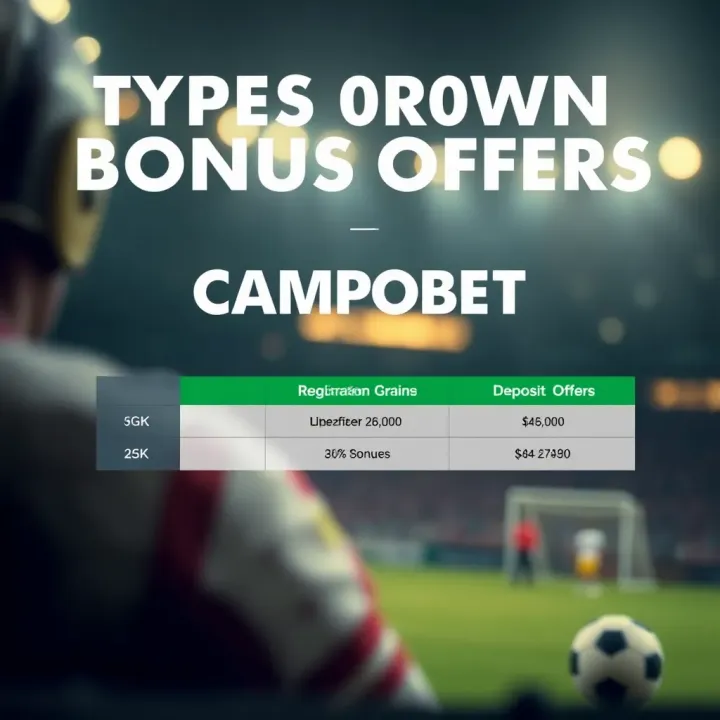
🎲 Explore Campobet bonus deals for Nigerians 🇳🇬—including registration rewards, deposit bonuses & loyalty perks. Know the rules, eligibility & how to benefit smartly!

🎰 Discover how NCGB licensing sets the rules for casinos in Nigeria, ensures player safety, and shapes the growing gaming market with clear regulations and trusted operators.
Based on 15 reviews