
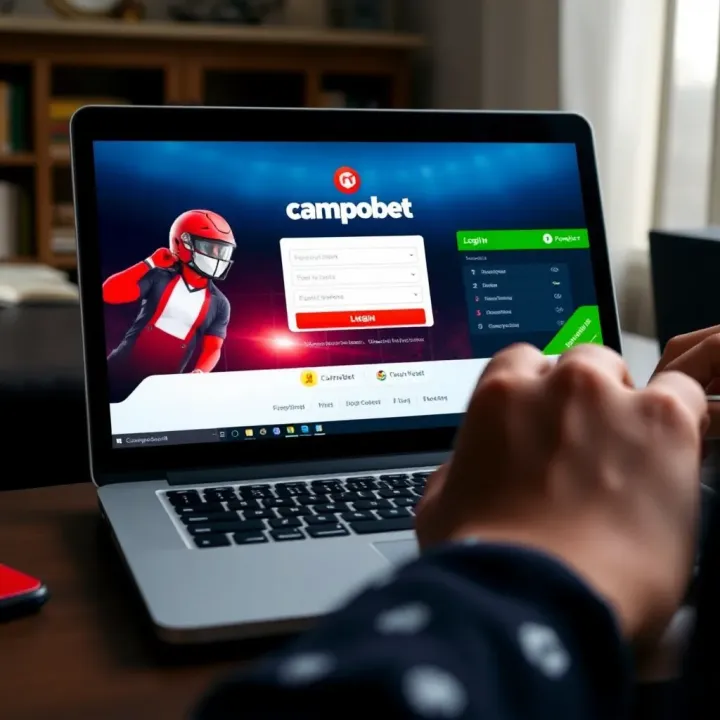
How to Sign In to Campobet in Nigeria
Learn how to sign in to Campobet securely 🇳🇬, fix common login problems, protect your account 🔐, and access on mobile for smooth betting fun 🎲👌. Start winning today!
Edited By
Sarah Thompson
Casinos in Nigeria have steadily grown in popularity, attracting not just thrill-seekers but serious players and investors alike. Central to this boom is the role of the National Casino Gaming Board (NCGB), the government agency tasked with regulating casino operations nationwide. Without an NCGB licence, a casino cannot operate legally in Nigeria. Understanding what this licence entails is key for anyone looking to engage with the Nigerian gaming scene.
The NCGB licence ensures casinos meet specific standards around fairness, security, and player protection. It is granted only after thorough checks on the operator’s financial health, integrity, and compliance with local laws. For example, casinos like the Federal Palace Casino and Nicon Luxury Hotel Casino both hold NCGB licences, reinforcing their trustworthiness and legal status.

Obtaining and maintaining this licence requires strict adherence to rules covering anti-money laundering measures, responsible gaming policies, and transparent reporting to the authorities. This framework helps curb illegal gambling and safeguards consumers against unfair practices or fraud.
A valid NCGB licence is more than a formality—it represents a casino’s commitment to operating within Nigeria’s legal and ethical standards.
For sports bettors, market analysts, and fintech enthusiasts, knowing how NCGB licences work provides insight into which casinos offer secure transactions, verified games, and reliable customer service. On the other hand, operators without this licence risk closure and penalties.
In Nigeria’s evolving gaming market, NCGB licensing acts as both a gatekeeper and a benchmark of quality. As the sector grows, understanding these licences helps players identify trusted platforms and supports regulators in safeguarding the industry’s integrity.
Understanding the role of the National Casino Gaming Board (NCGB) is key to grasping how Nigeria’s gaming industry functions. The NCGB regulates all casino activities, sets operational standards, and ensures that both consumers and operators play by the rules. For sports bettors, financial workers, and market analysts, recognising this regulatory framework helps clarify why certain casinos operate the way they do and how these guidelines protect players and investors.
The NCGB operates under federal law, tasked with overseeing casino gaming to prevent fraud, money laundering, and unfair practices. It directly licences casinos, monitors compliance, and disciplines offenders when necessary. The board consists of regulatory experts, legal advisers, and industry stakeholders who collectively set policies and enforce standards. For example, the NCGB enforces strict anti-money laundering rules, ensuring casinos are not used for illegal fund transfers—a concern for financial watchdogs.
The organisational structure allows the NCGB to function efficiently across Nigeria’s states, partnering with local authorities to monitor land-based casinos and online operators. These partnerships help standardise gaming experiences nationwide, making the sector more transparent for customers and investors alike.
Licensing serves as a stamp of credibility within Nigeria’s gambling scene. It assures players that a casino meets minimum requirements for security, fairness, and financial stability. For instance, NCGB licences mean the casino is subject to regular audits and must maintain proper games of chance protocols.
Besides protecting consumers from scams, licensing stimulates economic growth by attracting investors and creating jobs. Licensed casinos contribute directly to government revenues through taxes and indirectly by supporting hospitality, tourism, and entertainment sectors. This regulated environment also reduces the risks associated with underground gambling, which thrives without oversight and often exploits both players and the economy.
Casinos without NCGB licences risk closure, loss of consumer trust, and legal penalties. For bettors and business professionals, recognising licensed operators simplifies risk assessment and decision-making.
Overall, licensing introduces discipline and trust into Nigeria’s gambling industry. This helps new entrants, including tech-savvy youth exploring online betting platforms, to engage confidently knowing the NCGB backs the system.
With these basics clear, it becomes easier to explore how licensing requirements and NCGB regulations shape the everyday experience of Nigerian casino users and the industry at large.
Securing a casino licence from the National Casino Gaming Board (NCGB) is no simple matter. This process ensures operators meet strict standards that protect players and maintain the integrity of Nigeria’s gaming industry. Licensing demands adherence to several key requirements, covering everything from paperwork to financial backing and operational readiness.
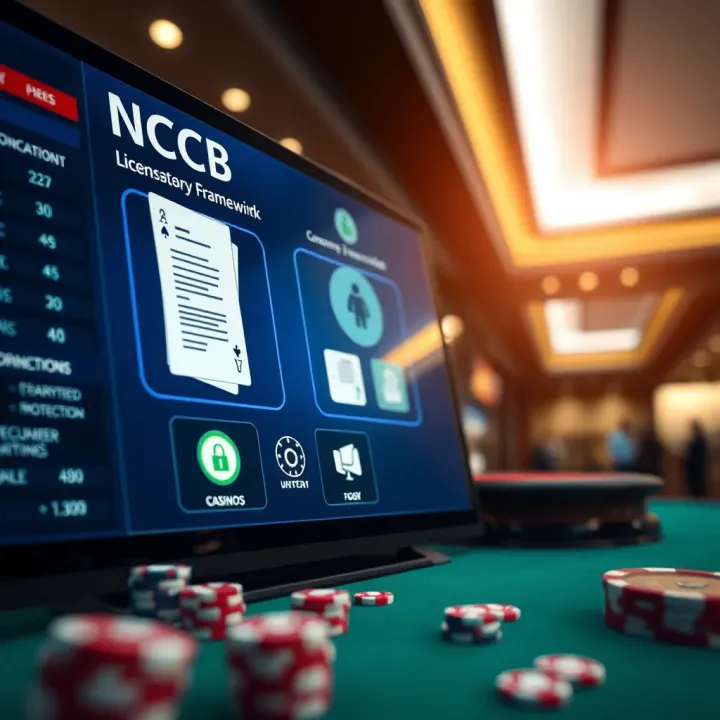
The starting point for any aspiring casino operator is the application process, which involves submitting comprehensive documentation to the NCGB. This includes a detailed business plan outlining the casino’s structure, target clientele, and security measures. Operators must also present proof of identity and company registration documents, alongside tax compliance certificates.
For example, a casino based in Lagos would need to include evidence of a physical venue that meets zoning regulations, alongside fire safety certification. The NCGB takes this documentation seriously to filter out applications that don’t comply with Nigeria’s legal and operational requirements.
Licensed casinos must satisfy various regulatory standards focused on fairness, player safety, and anti-fraud mechanisms. This means the games offered must use approved software or physical equipment that guarantees randomness and transparency.
Additionally, casinos must implement strong measures against money laundering and underage gambling. Operators often install surveillance systems, train staff on recognising suspicious activity, and enforce age verification rigorously. A casino's failure to maintain these standards could lead to licence suspension or revocation.
Financially, the NCGB requires evidence of sound capitalisation to ensure a licencee can support ongoing operations without cutting corners. This includes bank statements, audited financial reports, and sometimes performance bonds or guarantees.
Operationally, the casino should have trained professionals managing day-to-day functions, a responsible customer service framework, and compliance officers to liaise with regulators. A case in point is a casino in Abuja which met NCGB requirements by establishing an internal compliance department and conducting regular staff training that meets national guidelines.
Obtaining an NCGB licence means the casino is accountable, financially stable, and committed to upholding Nigeria’s rigorous gaming regulations.
In summary, these requirements build trust between casinos, players, and regulators, ensuring that Nigeria’s casino sector grows in a stable, transparent, and consumer-friendly manner.
Understanding the profiles of leading casinos licensed by the National Casino Gaming Board (NCGB) is essential for anyone keen on the gaming industry in Nigeria. These profiles shed light on key players shaping the sector, where they operate, and what services they provide. For sports bettors, market analysts, and tech-savvy individuals, such information offers a clearer grasp of the market dynamics, consumer options, and regulatory adherence.
Some of the top NCGB-licensed casinos in Nigeria include The Dome Lekki, Federal Palace Casino in Lagos, and Kano Bilkisu Casino. The Dome, located within the highbrow Lekki area of Lagos, stands out for a combination of leisure and betting facilities. Federal Palace Casino sits in the heart of Lagos Island, catering to business professionals and tourists alike. On the other hand, Kano Bilkisu Casino expands gambling options outside the southwest, catering to the northern market.
These locations aren’t accidental; they serve as hubs with high foot traffic, accessibility, and security—crucial factors endorsed in NCGB licensing standards. For example, the Lekki area benefits from affluence and robust infrastructure, offering a safe environment that appeals to high-end customers. Meanwhile, casinos expanding outside Lagos reflect growing acceptance and regulatory spread.
Licensed casinos in Nigeria offer a range of services beyond just traditional gaming. You’ll find poker, blackjack, roulette, and slot machines as staple offerings. However, places like The Dome Lekki have diversified their entertainment options, integrating sports betting kiosks and virtual gaming lounges which cater especially to younger, tech-savvy patrons. This hybrid model reflects the evolving Nigerian gambling scene where physical and digital platforms merge.
Additionally, services often include customer loyalty programmes, VIP rooms, and event hosting spaces. Casinos like Federal Palace have incorporated restaurants and bars to create an immersive experience. Such additions make gambling venues social hubs rather than mere betting spots.
The varied services and prime locations of these casinos ensure they meet NCGB’s standards and appeal widely to diverse Nigerian audiences, making them significant players in the gaming landscape.
Overall, these profiles help consumers choose reputable casinos that provide a secure, regulated environment, while industry watchers gauge competition and growth areas. Nigerian casinos holding an NCGB licence signal trustworthiness and compliance, key for building confidence in a sometimes sceptical market.
NCGB licensing has reshaped Nigeria's gambling sector, creating a more transparent and accountable market. By regulating casinos strictly, the National Lottery Regulatory Commission (NLRC) ensures that both operators and consumers follow clear rules, reducing fraud and unethical behaviour. This helps build trust among players, who can confidently participate in gambling activities knowing the games are fair and the environment secure.
Consumer protection stands at the core of the NCGB’s licensing framework. Licensed casinos must implement robust measures like identity verification using Bank Verification Number (BVN) and National Identification Number (NIN) to prevent underage gambling and money laundering. For instance, some top casinos have adopted responsible gambling tools that warn players when they spend beyond limits, fostering safer play.
Also, the NCGB mandates transparent handling of customer funds and clear dispute resolution processes. This reduces the risk of scams, which were rampant before stricter regulations. Casinos must regularly submit compliance reports, helping the regulator enforce fair play and uphold industry integrity. Such oversight reassures customers about the legitimacy of casinos, helping weed out rogue operators.
By ensuring player safety and fairness, NCGB licensing raises the overall standards of Nigeria's gambling industry and protects consumers from exploitation.
Licensed casinos contribute significantly to Nigeria’s economy. With thousands of employees across establishments in cities like Lagos, Abuja, and Port Harcourt, the sector generates jobs ranging from customer service agents to IT and security personnel. These jobs support families and help reduce unemployment in urban centres.
Moreover, casinos pay taxes and levies to the government, providing crucial revenue especially important during ember months when public spending spikes. The regulated market also attracts both local and foreign investors, increasing the inflow of capital and stimulating economic activities around casino premises—such as hospitality, transport, and retail.
In practical terms, a licensed casino can create over 200 direct jobs and countless ancillary roles within its locale. The visibility and credibility gained from licensing encourage more Nigerians to participate in the formal economy, potentially boosting inclusive growth.
In short, NCGB licensing not only protects players but also strengthens Nigeria’s gambling ecosystem by fostering economic growth and enhancing player confidence. This regulatory framework forms the backbone of a safer, more professional gaming environment where operators and consumers both win.
The future of NCGB-licensed casinos in Nigeria hinges on how effectively they adapt to ongoing changes in technology and regulation. Keeping an eye on upcoming trends is vital for operators, regulators, and customers alike. Emerging digital platforms and shifts in policy frameworks will shape the landscape, impacting the quality of gaming experiences and industry sustainability.
Digital technology has reshaped entertainment globally, and the Nigerian casino sector is no exception. Many NCGB-licensed casinos are expanding their offerings with online platforms, blending virtual betting with traditional venues. This digital shift increases reach, offering convenience for busy Nigerians who want to place bets from smartphones without battling Lagos traffic or generator noise.
For example, operators now integrate mobile apps and USSD services that work even with basic phones, catering to diverse tech access levels in Nigeria. Plus, online sportsbooks and virtual slots offer faster gameplay and real-time updates. However, this increased digital focus demands robust cybersecurity measures to protect players’ funds and personal data, given frequent reports of online scams in Nigeria’s digital space.
The challenge lies in maintaining regulatory oversight over online gambling, which can operate across borders and outside traditional physical jurisdictions. The NCGB needs to partner with telecom providers and fintech firms like Paystack and Flutterwave to ensure smooth payments and lawful operations.
On the regulatory front, the NCGB faces the task of keeping its rules current amid rapid industry evolution. Enforcing compliance across physical and digital casinos involves tackling issues such as money laundering, underage gambling, and fair play enforcement. Nigeria’s diverse states also vary in how they view gambling, sometimes complicating uniform application of regulations.
Policy adjustments will likely address taxation methods for online gambling revenues and strengthening licensing conditions. These changes will need to balance encouraging industry growth while protecting consumers from exploitative practices. Additionally, clear guidelines are essential for new ventures like esports betting and cryptocurrency wagers, which are gaining popularity among Nigerian youth.
Regulatory clarity and agile policies will help position Nigeria’s casino industry as a reputable and transparent sector, attracting both local and international investments.
As the NCGB refines its approach, stakeholders must stay informed about licensing updates and compliance best practices. Market analysts and financial workers should watch how licence renewals evolve and how policy shifts influence investment risks in this fast-changing sector.
Together, adapting to digital trends and overcoming regulatory hurdles will determine how NCGB-licensed casinos thrive in Nigeria’s growing gambling market.
Learn how to sign in to Campobet securely 🇳🇬, fix common login problems, protect your account 🔐, and access on mobile for smooth betting fun 🎲👌. Start winning today!
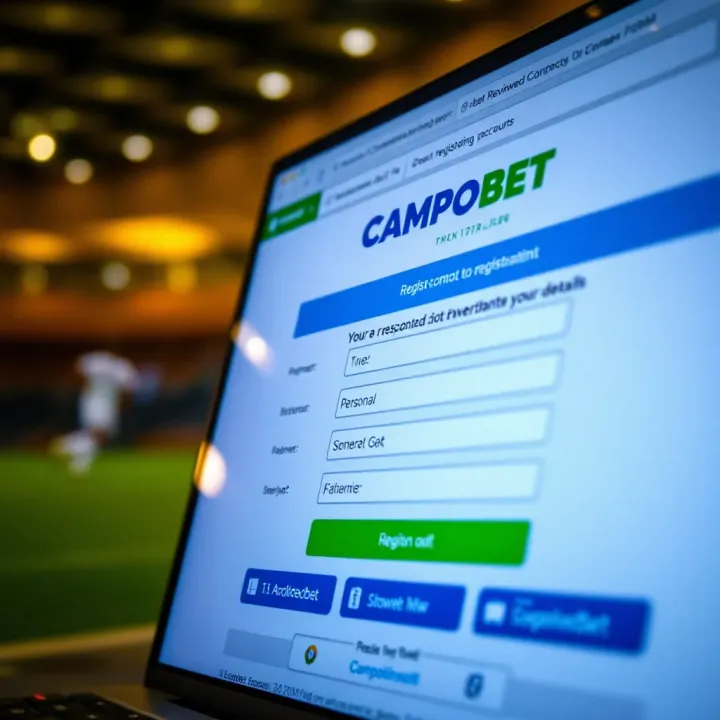
🎯 Step-by-step Campobet registration guide for Nigerian bettors. Learn account setup, verification, tips for smooth play, plus how to fix common issues fast.
🔎 Explore Campobet’s terms and conditions: from account setup to deposit, withdrawals, betting rules, responsible play, and dispute handling for Nigerian users 🏆
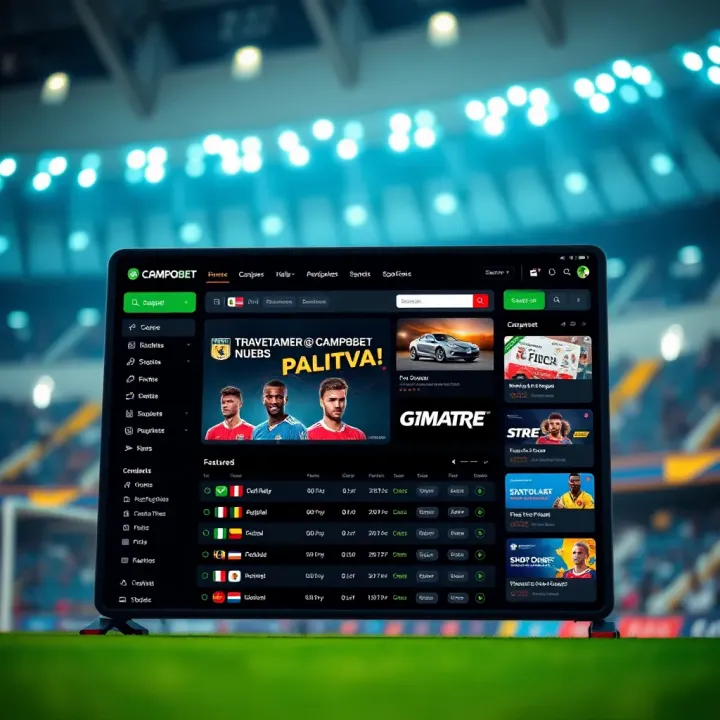
Discover Shop@Campobet, a top Nigerian platform where you can combine shopping and betting easily. Learn registration, payment options, security, and tips 🛒🎲
Based on 14 reviews